Pioneering Work in Space: 3D-Printed Copper Rocket Engine
Discover how Feramic is revolutionizing space travel in the PEGASUS project using innovative 3D metal printing with copper alloys (HOVADUR® CNCS). Highly complex cooling for RDRE engines.
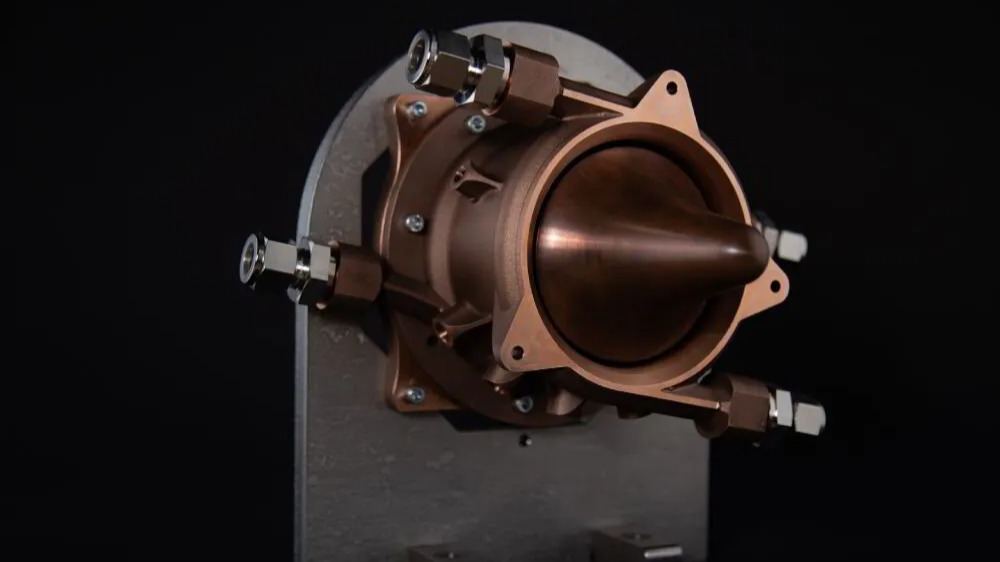
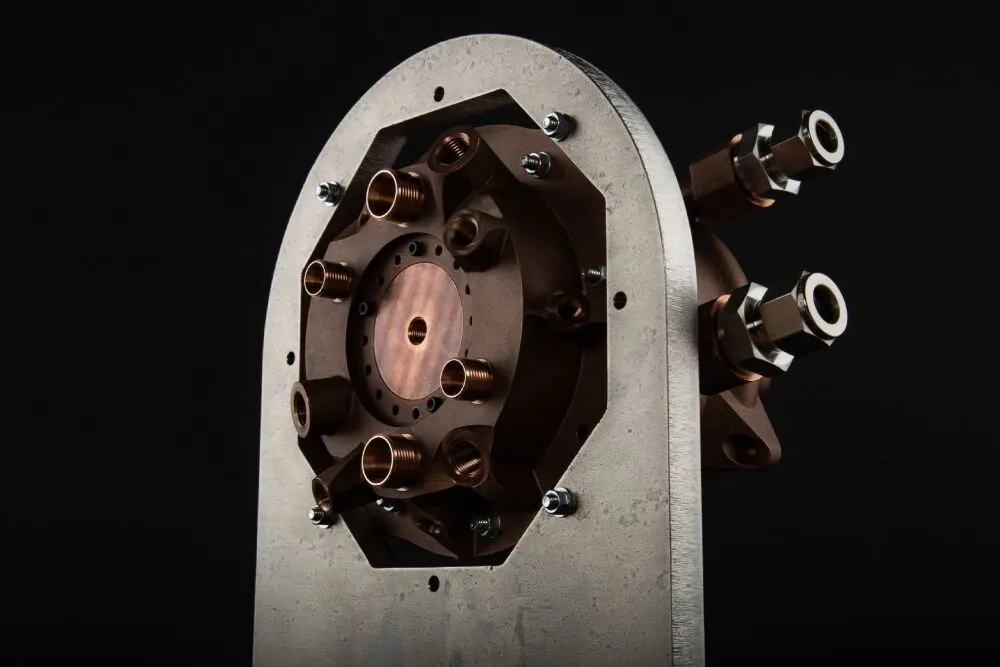
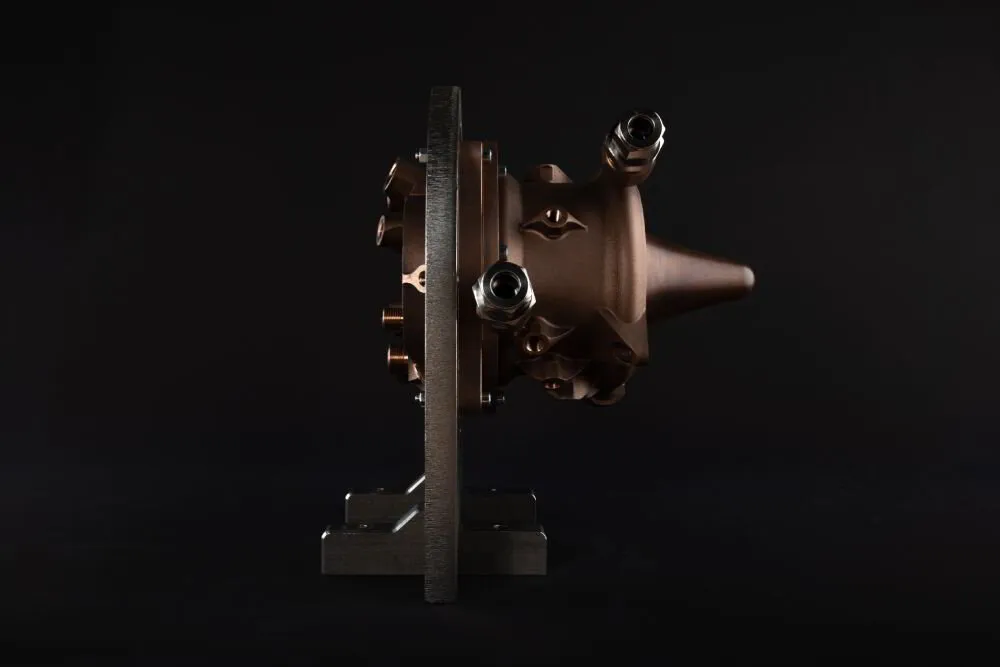
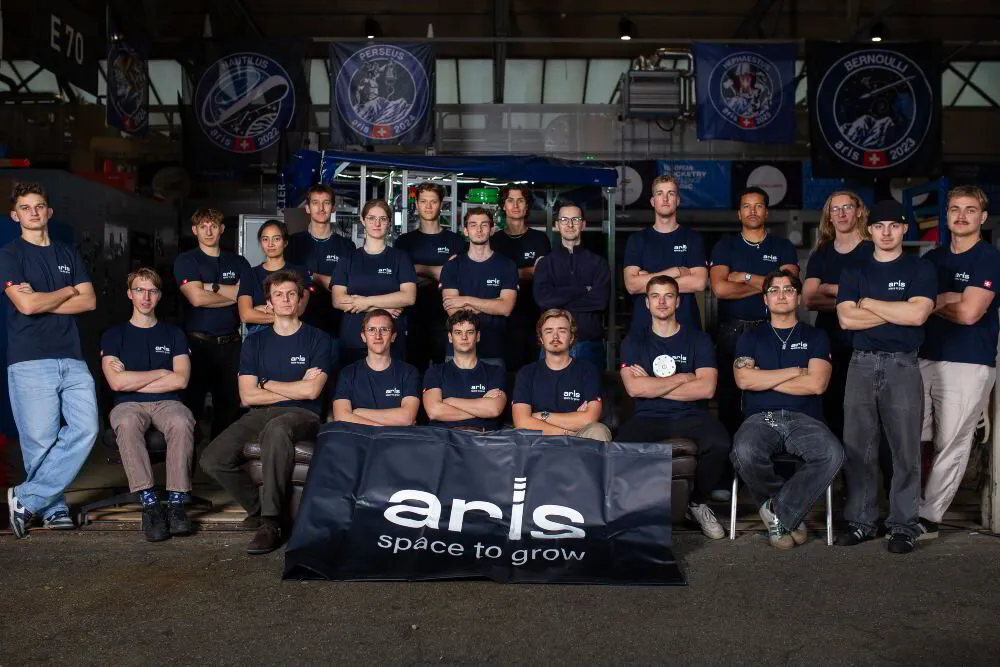

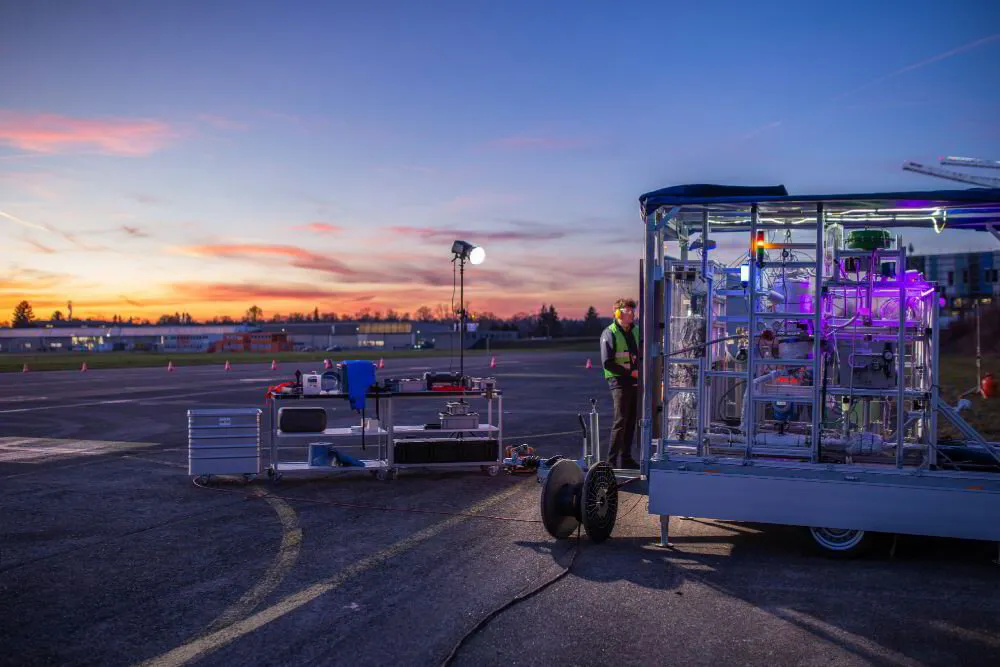

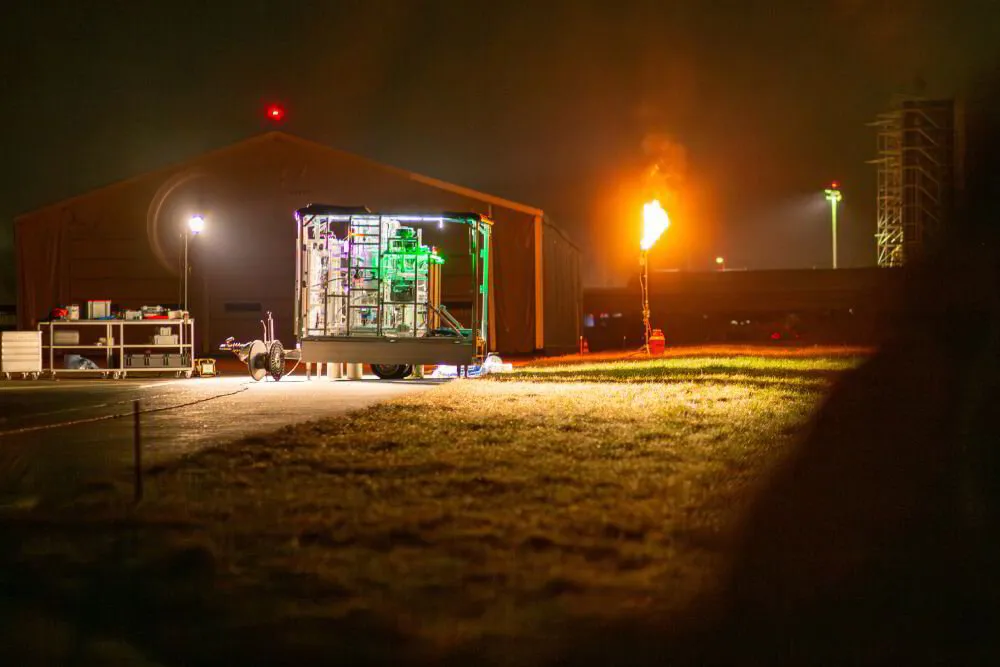
The PEGASUS project is an ambitious focus project of ETH Zurich in collaboration with the Academic Space Initiative Switzerland (ARIS). Their goal is groundbreaking: the development of a Rotating Detonation Rocket Engine (RDRE) powered by liquid propane and oxygen. We are supporting this venture as a specialized manufacturing partner for the highly complex engine components made of copper alloys.
Revolution in Space Travel: The Technological Challenge
RDREs represent a paradigm shift. Through more efficient combustion, they enable significant performance increases compared to conventional engines. For this technology to become practical, operation with liquid propellants is mandatory. This poses a massive technical challenge that only three nations worldwide have mastered so far. PEGASUS aims to place Switzerland as the fourth country on this exclusive list.<\/p>
The greatest hurdle lies in the immense thermal and mechanical loads of rotating detonation. For the engine to operate stably, the material must withstand extreme conditions. This can only be achieved using high-performance copper alloys (HOVADUR® CNCS) in combination with active cooling. However, the production of such delicate cooling structures quickly reaches its limits with conventional methods.
Precision through Metal 3D Printing
To achieve this goal, Feramic uses metal 3D printing (Laser Powder Bed Fusion) to shape geometries that are indispensable for cooling and propellant distribution. The main focus is on the precise processing of the copper alloy HOVADUR® CNCS.
HOVADUR® CNCS is a precipitation-hardening copper-nickel-silicon alloy with added chromium. It is particularly impressive due to:
- Very high thermal conductivity: approx. 190–240 W\/mK for efficient temperature management.
- High strength: Tensile strength (Rm) ≥ 650 MPa.
- Geometric freedom: Realization of complex cooling channels that could not be manufactured conventionally.
- Integrated functionality: Direct integration of injector fuel channels into the structure.
Agile Collaboration for Success
Within just one month, we identified the optimal printing parameters for HOVADUR® CNCS in an intensive joint development phase. The result is high-precision engine parts that are currently in the testing phase to realize controlled detonation.
"The fast communication and high adaptability of Feramic enabled precise manufacturing of our components, which fully meet all requirements."
Mattia Röösli, Team PEGASUS (ARIS \/ ETH Zurich)Thanks to additive manufacturing, metal 3D printing is proving to be an essential building block for the success of this Swiss space mission.